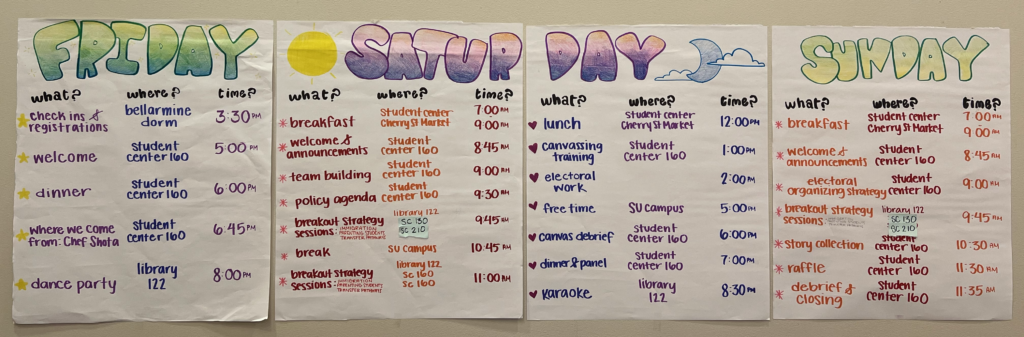
More than 100 students and community leaders from across Washington came together at Seattle University for Communities for Our Colleges’ third Student Power Building Conference—a weekend focused on building relationships, developing campaign strategy, and putting organizing skills into action.
Participants represented communities across the state, including Spokane, Deer Park, Wenatchee, Yakima, Selah, Tieton, Granger, Toppenish, Sunnyside, Grandview, Ellensburg, Pasco, Kennewick, Auburn, Kent, Federal Way, Tacoma, Lakewood, University Place, Bremerton, Bothell, Lynnwood, Everett, Marysville, Maple Falls, and Seattle.

Our goal was bigger than bringing people together for a conference. We are building a multiracial, student-centered movement capable of winning a free, accessible, and equitable higher education system—and strengthening the power of students and communities in our democracy. As we shared with participants, public education is a public good, and strong public schools and colleges are essential to both shared prosperity and a thriving democracy.
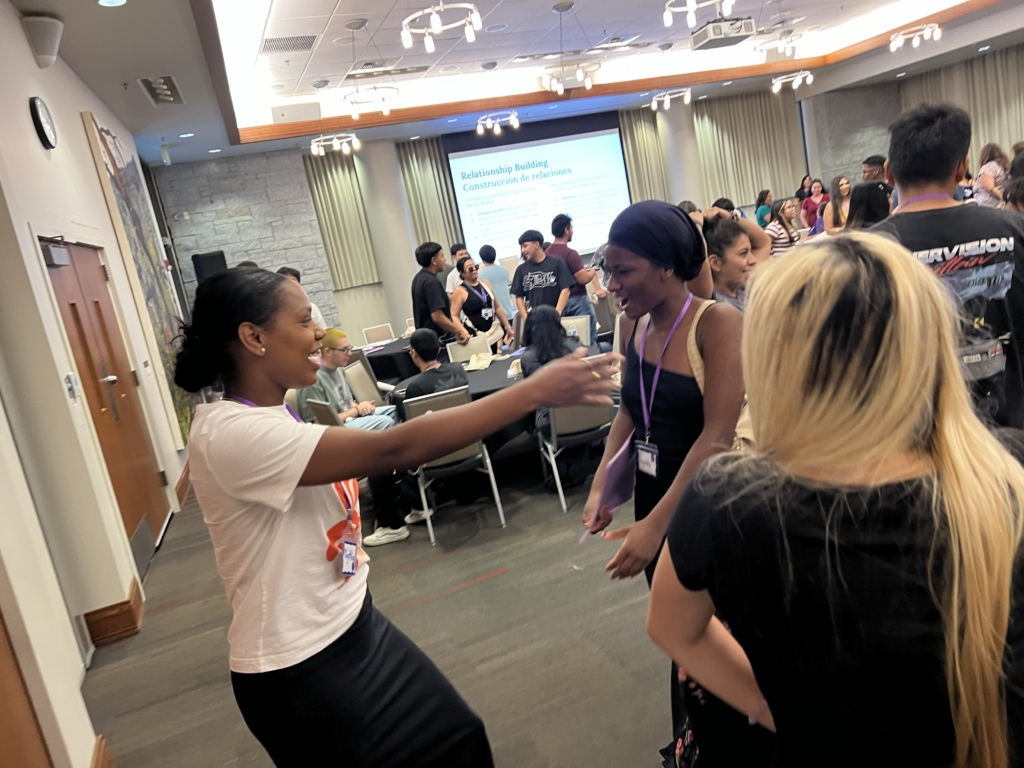
Building Belonging Across Difference
We began the weekend with something fundamental to organizing: relationships and belonging.
Students shared family recipes and stories about what food means to their cultures, families, and communities. That led into a cooking demonstration with Food Network chef Shota Nakajima, who joined student leaders to prepare teriyaki and talk about food, identity, and belonging.
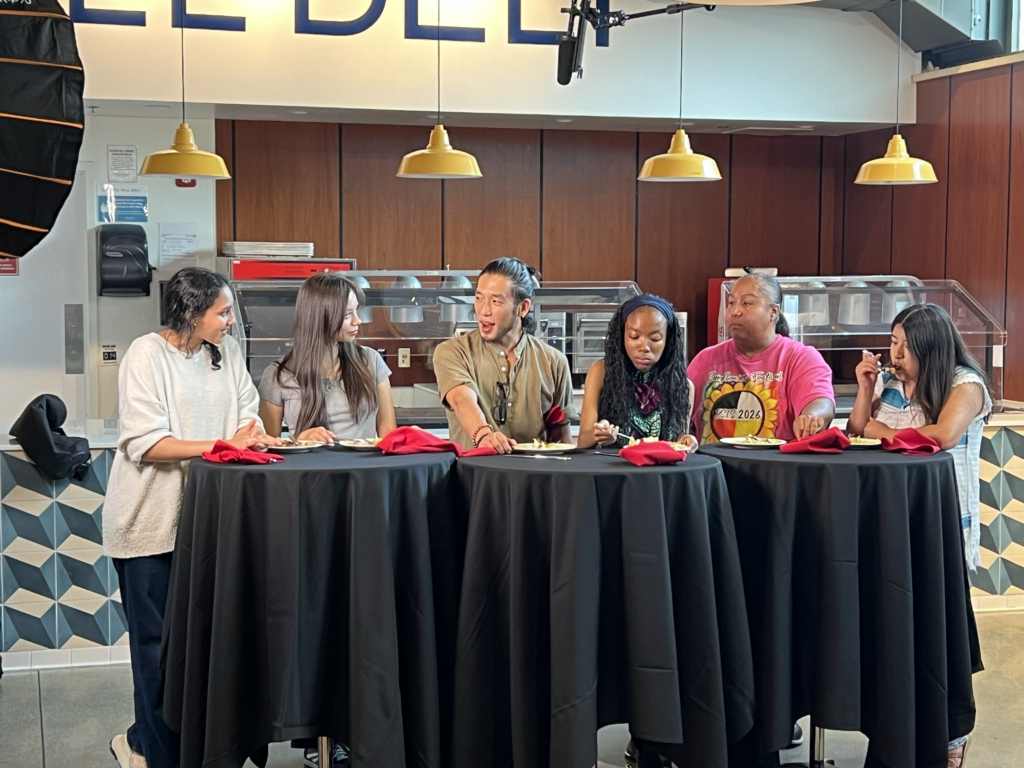
Later that evening, Rinku Sen facilitated a conversation with Shota and student leaders about how traditions are passed between generations, how immigration and migration shape our cultures, the connections between rural and urban communities, and what food can teach us about the democracy we want to build.
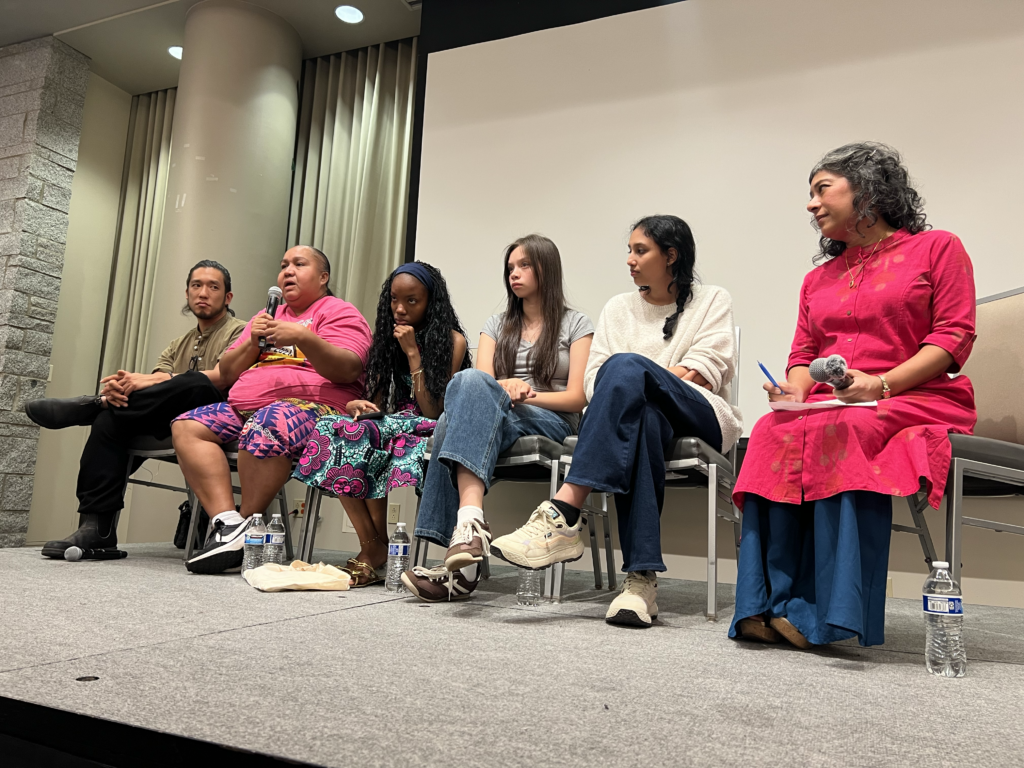
It was an opportunity to practice a core part of our organizing: creating spaces where people can build relationships across different backgrounds and experiences before asking them to take action together.
Students Building the Strategy
The next morning, participants moved from relationship-building into campaign strategy.
Student leaders introduced three priorities that will help shape our work heading into 2027: protecting immigrant students, supporting parenting students, and improving transfer pathways.
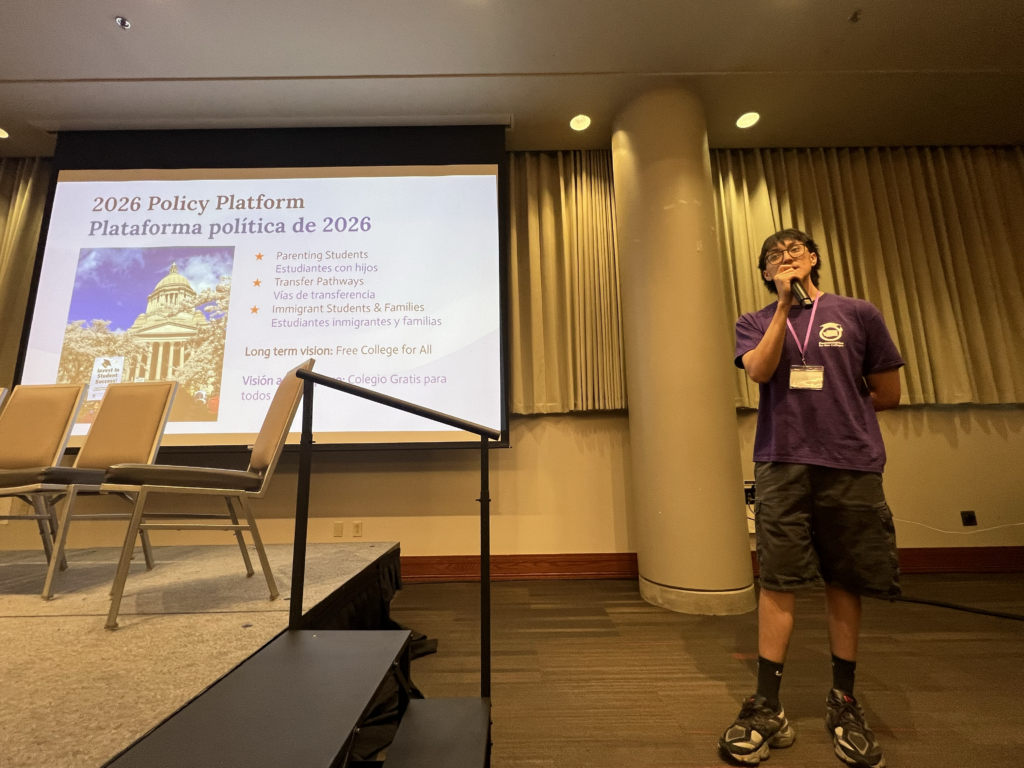
Participants then broke into groups to develop strategy charts—identifying goals, targets, allies, opposition, research needs, and potential tactics—and began building timelines for collective action.
This is central to how we think about student leadership. Students shouldn’t simply be invited to support campaigns after the strategy has already been decided. They should help build the campaigns themselves.
From Training to 1,240 Doors
Then we put those organizing skills into practice.
Participants received hands-on training in door-to-door canvassing, including how to have conversations with voters, use organizing tools, practice the campaign script, and connect electoral participation to the issues affecting our colleges and communities.
Forty teams went into nearby neighborhoods and knocked on 1,240 doors, having 106 conversations with voters.
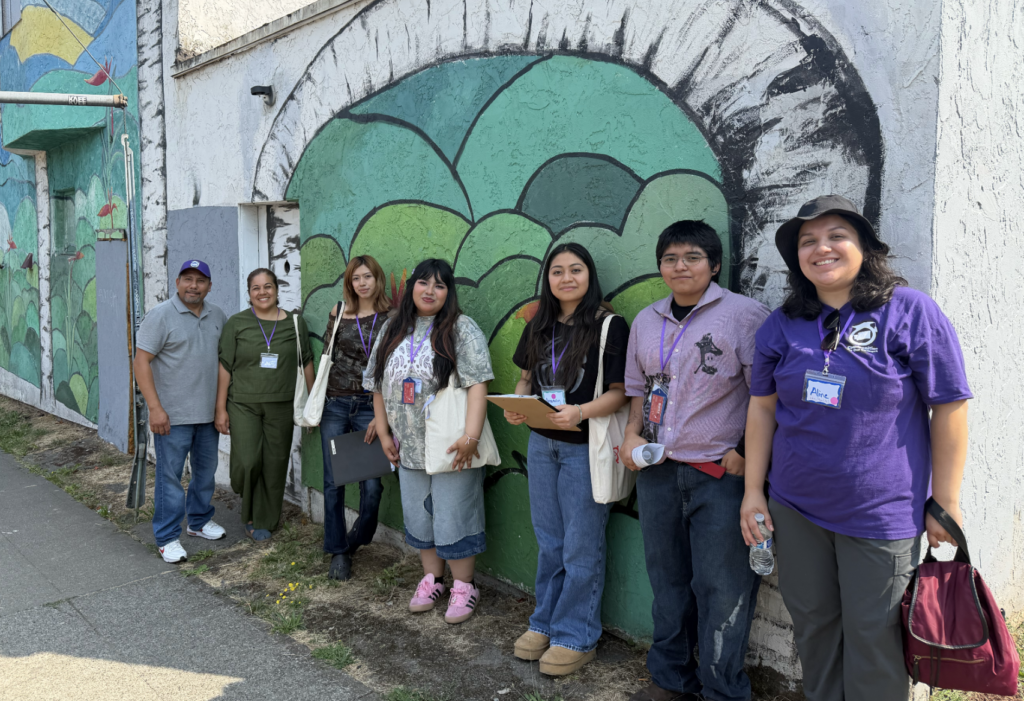
The action focused on opposing the repeal of Washington’s Millionaires Tax and protecting the public investments it helps make possible. At the doors, our leaders connected the fight for affordable higher education with decisions about funding for community colleges, financial aid, K–12 education, health care, child care, and other priorities working families depend on.
For many participants, this was an opportunity not just to learn about electoral organizing, but to actually practice it together.
Connecting the Fight for Public Education
Saturday concluded with another example of the leadership we are working to build.
Elise, one of our student leaders, facilitated a panel on what it will take to fully fund and protect public education, bringing together perspectives from students, higher education, K–12, labor, and community organizations. Rep. Gerry Pollet also joined the evening to speak about funding public education and the fight for a Washington Promise.

The conversation explored what underfunding looks like for students and institutions, how it affects workers and communities, and how the fight for community colleges connects to K–12 education and broader struggles for racial and economic justice.
That connection matters. Our fight for free college is part of a larger fight over whether Washington will invest in public education, working families, and the communities that make our state thrive.
Building Power Beyond One Weekend
The conference ended by looking forward.
Participants discussed our electoral organizing strategy, future campaigns, storytelling, and opportunities to continue organizing in their communities. The purpose of the weekend was never simply to hold a successful event. It was to strengthen relationships between leaders from different parts of Washington and give people the tools and opportunities to organize when they returned home.

In one weekend, more than 100 leaders built relationships across geography and difference, developed strategies around some of the biggest challenges facing students, and then took those relationships directly into action by knocking on 1,240 doors.
That is what student power building looks like: belonging, strategy, action, and leadership.
And we’re building it statewide.