Public education should be accessible to everyone — regardless of income, race, immigration status, or zip code.
Communities for Our Colleges believes public education is a public good and a cornerstone of a healthy democracy.
From early learning to higher education, public education should provide every person with the resources, support, and opportunities needed to live meaningful and dignified lives.
We fight for free and affordable higher education as part of a broader vision for economic justice that invests in students, families, workers, and communities. This means removing barriers to education, reducing the burden of debt, supporting basic needs, and strengthening public institutions that create pathways to economic security, democratic participation, and collective well-being.
We believe education should prepare people not only for work, but also for community, civic life, and life together.
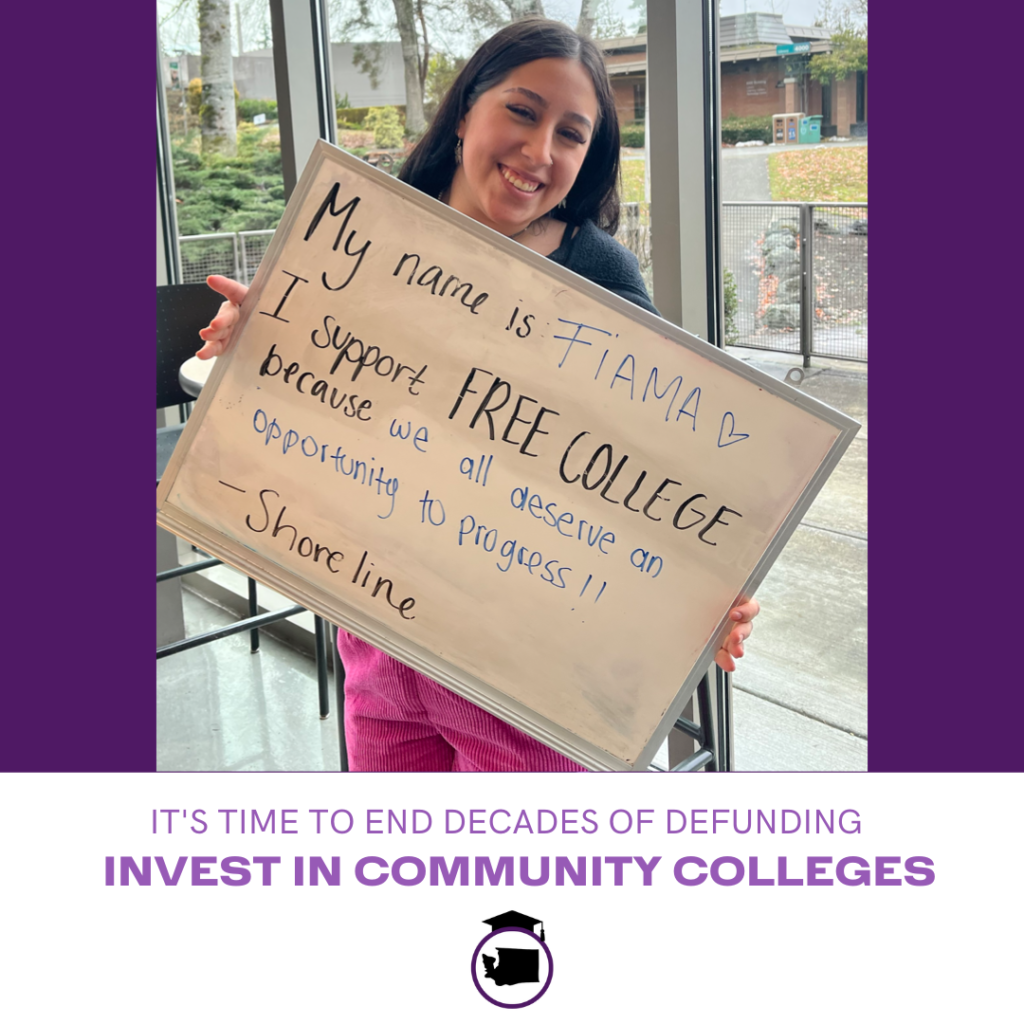
In 2015 President Obama said that community college should be ‘as free and universal in America as high school.’ Community college is crucial for working families and communities of color to progress. But there are still too many barriers to accessing community college. Too many students cannot afford college or meet their educational goals.
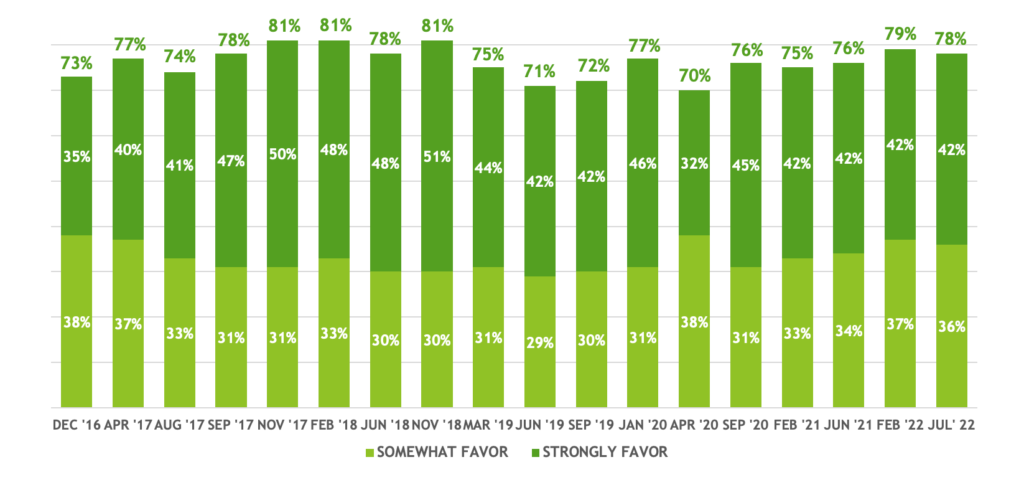
Free college is very popular. Polling shows that there is support for free college tuition across the political spectrum. According to the Campaign for Free College Tuition “88 percent of Democrats, 62 percent of Republicans, and 76 percent of Independents” strongly support or somewhat support the idea.
Free college in Washington would also advance racial and economic equity. Our community colleges are much more diverse than the state as a whole. Community colleges remain one of the main pathways to social and economic advancement for low-income communities and communities of color. Free college is an investment in racial equity and justice.
Free college pays for itself. Free college now is an investment in the future that reaps rewards for the state and our communities in the future. According to the report The Dollars and Sense of Free College by the Georgetown University Center on Education and the Workforce, “[The] benefits would outweigh the costs of tuition-free-college programs, with yearly tax revenue exceeding the annual cost within the first 10 years after a tuition-free program is implemented.”