At Communities for Our Colleges (C4C), we believe that transforming higher education requires more than good policy ideas. It requires organized people, strong relationships, and communities prepared to exercise their collective power.
This spring, we launched the first phase of our electoral organizing work. During April and May, our teams conducted 1,214 voter outreach attempts and held 418 one-on-one conversations with students and community members across Washington State. Those conversations led to 123 new voter registrations and helped us build the foundation for a much larger voter engagement effort this summer and fall.
More than numbers, these conversations helped us identify emerging leaders, strengthen relationships, and better understand how students and communities want to engage in the democratic process.

Meeting Students Where They Are
Throughout the spring, C4C organizers, fellows, volunteers, and student leaders conducted outreach in communities across the state, including Yakima, Grandview, Pasco, Spokane, Everett, Bothell, Seattle, Lakewood, and Tacoma.
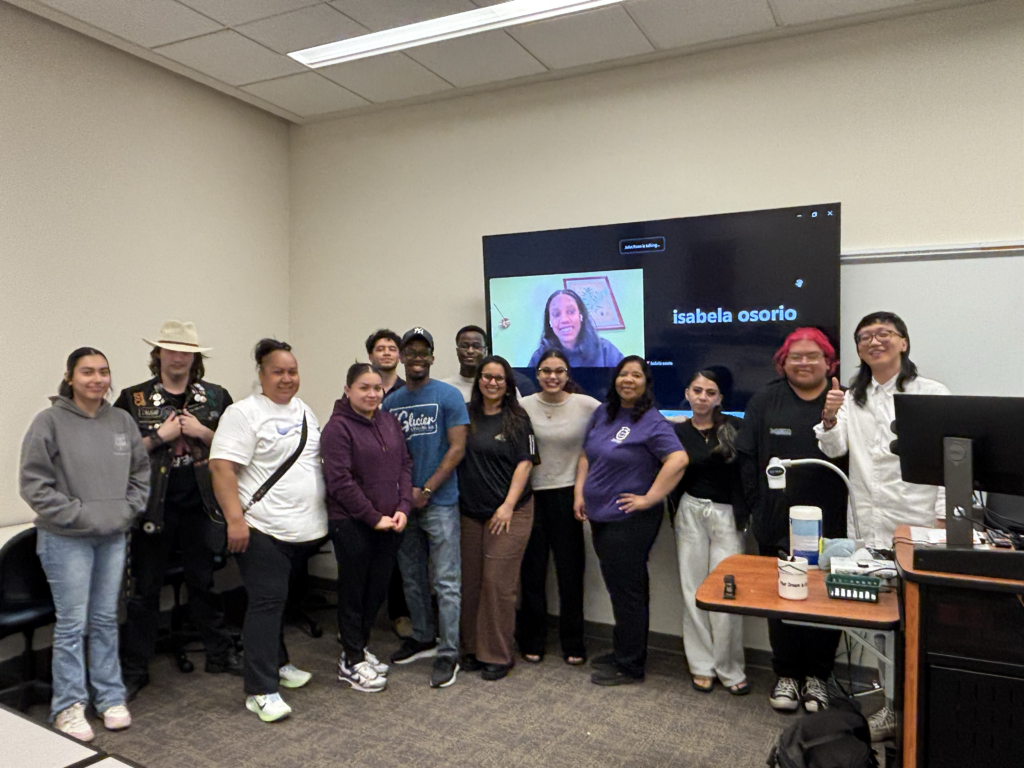
We visited high schools, community and technical colleges, universities, community events, and public gathering spaces, including:
- Davis High School (Yakima)
- Eisenhower High School (Yakima)
- Bothell High School
- Yakima Valley College
- Columbia Basin College
- Everett Community College
- Cascadia College
- Pierce College
- University of Washington Bothell
- Spokane Community College
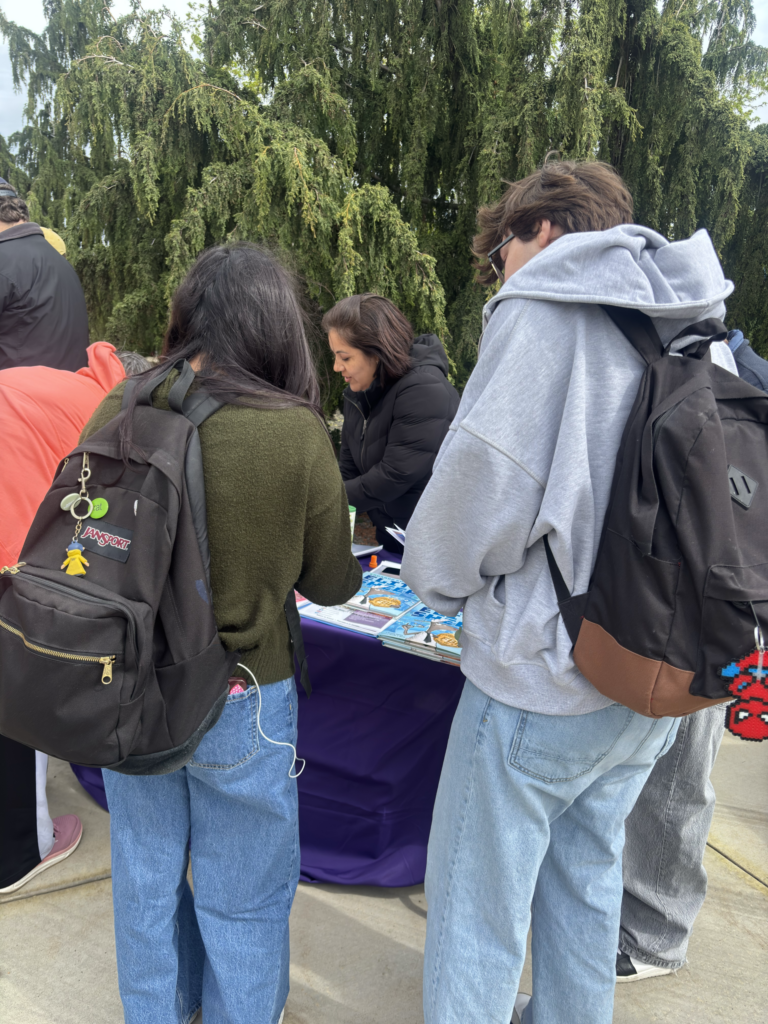
These visits allowed us to connect directly with students about the issues that matter most to them—college affordability, educational opportunity, economic security, and the future of their communities. We also invited students to become part of a broader movement for educational justice by participating in leadership development opportunities, voter engagement efforts, and our upcoming summer conference.
Testing and Learning Before Scale
This spring was intentionally designed as a soft launch of our electoral organizing program.
Our goal was not simply to register voters. We wanted to test outreach strategies, understand where students are most receptive to engagement, and identify the practices that build lasting relationships.
One of our biggest lessons was that voter engagement is highly relational. Across our outreach, roughly one out of every three attempts resulted in a meaningful conversation, though the ratio varied depending on the setting.

Classroom presentations allowed us to reach large numbers of students quickly and efficiently. At the same time, we found that tabling events, lunch periods, community gatherings, churches, and cultural events often created more opportunities for deeper conversations and voter registration.
We also saw the importance of trusted partnerships. Relationships with educators, school administrators, faculty, student leaders, and community organizations consistently led to stronger engagement and participation.
The 123 voter registrations we secured this spring are important, but they represent something larger: a testing phase that is helping us establish weekly goals, refine our organizing model, and prepare for a significant expansion of our electoral work over the coming months.
Connecting Higher Education and Democracy
Our outreach coincided with community mobilizations across the state, including May Day events in Yakima and Sunnyside, where we helped support voter education and engagement efforts while standing alongside students, workers, immigrant families, and community organizations.
For C4C, electoral organizing is deeply connected to our work for educational justice.

Decisions about college affordability, financial aid, student services, workforce development, and public investment are all shaped by elected officials. When students participate in elections, they help shape the policies that affect their futures, their families, and their local economies.
That is why we view voter engagement not as a separate activity, but as part of building long-term power for students and working communities.
Building Toward Summer and Fall
The work we began this spring is only the beginning.
This summer, C4C will launch the first of two campaign arcs focused on voter registration, leadership development, and civic engagement. Throughout the summer, organizers and student leaders will continue reaching students where they are—on campuses, in communities, and at local events across Washington.

In the fall, we will expand into a statewide Get Out The Vote effort that includes canvassing, voter education, ballot parties, candidate forums, and volunteer recruitment.
Every conversation helps build the power needed to create a more affordable, accessible, and equitable higher education system.
The lessons from this spring have strengthened our strategy, expanded our reach, and prepared us for the work ahead. Together, we are building a multiracial, student-led movement capable of shaping the future of our colleges, strengthening our communities, and protecting our democracy.