Across Washington State, Communities for Our Colleges (C4C) continues to organize alongside students, families, and communities to protect access to education and advance equity. Over the past several weeks, that work has taken shape across multiple regions — from mobilizing families in Seattle, to organizing students in Tacoma, to building relationships and leadership in Spokane.
While each effort looks different, they are all connected by a shared goal: ensuring our colleges serve the communities who rely on them most.
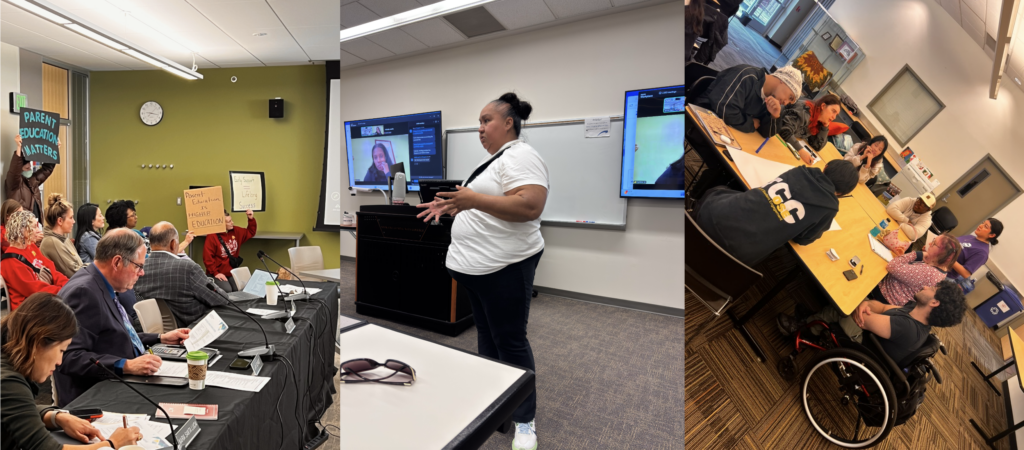
Seattle: Families Mobilize to Protect Parenting Education
At South Seattle College, more than 150 parents, students, and community members — many with their children — showed up to push back against proposed cuts to Parenting Education Programs.
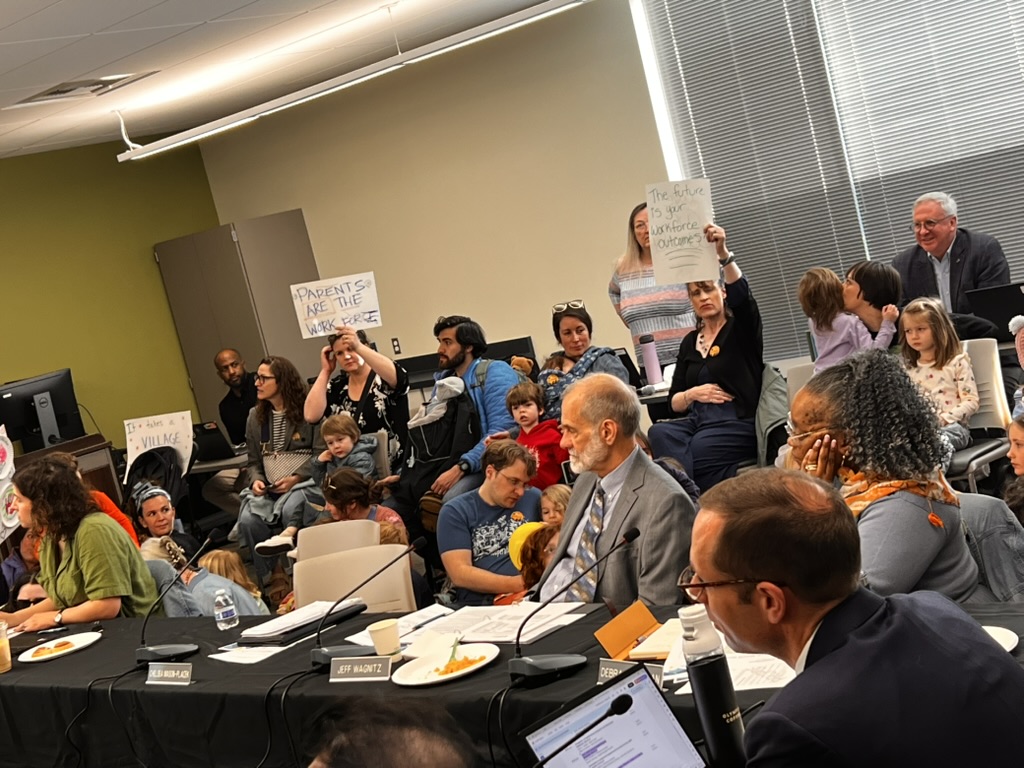
These programs have been part of Washington’s education system for nearly 80 years, offering a critical two-generation model that supports both children and parents. But recent changes to the SBCTC funding model would stop counting parents and caregivers as students, creating funding gaps that threaten programs across at least 13 colleges and impact nearly 4,500 families statewide.
In response, our coalition mobilized quickly. More than 1,700 individuals sent letters to SBCTC calling for a one-year delay to these cuts — a necessary step to create space for a more equitable solution.
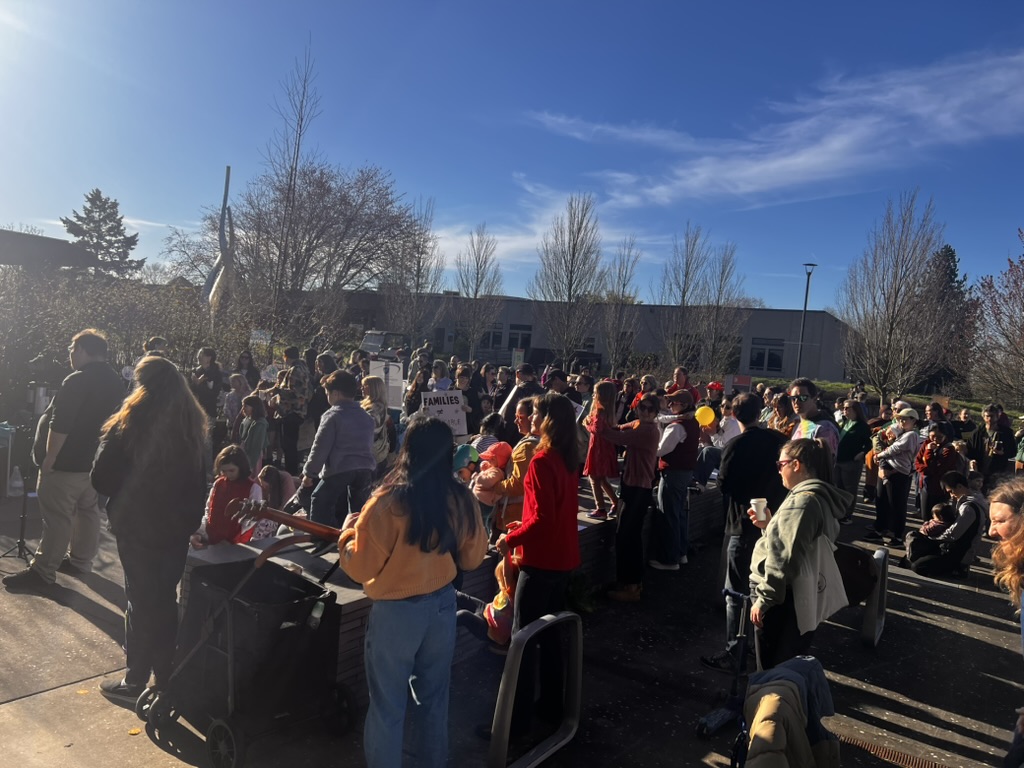
At the public meeting, C4C supported a coordinated tactic: participants entered the SBCTC meeting together to ensure that families were present in the room where decisions were being made. This action made clear that parenting students and families are not invisible — and that they will show up to defend the programs they rely on.
This moment reflects both the stakes and the power of collective action when communities organize.
Tacoma: Students Organize for Safety Through ICE Out of Our Colleges
At Tacoma Community College, we brought together nearly 20 students for a training as part of our ICE Out of Our Colleges campaign, focused on building safer campuses for immigrant students.
Students reviewed the organizing toolkit, engaged in small group discussions, and identified the barriers they are experiencing. Many spoke about not feeling safe on campus, the lack of reliable systems to notify students about ICE activity, and uncertainty around accessing education, financial aid, and basic services.
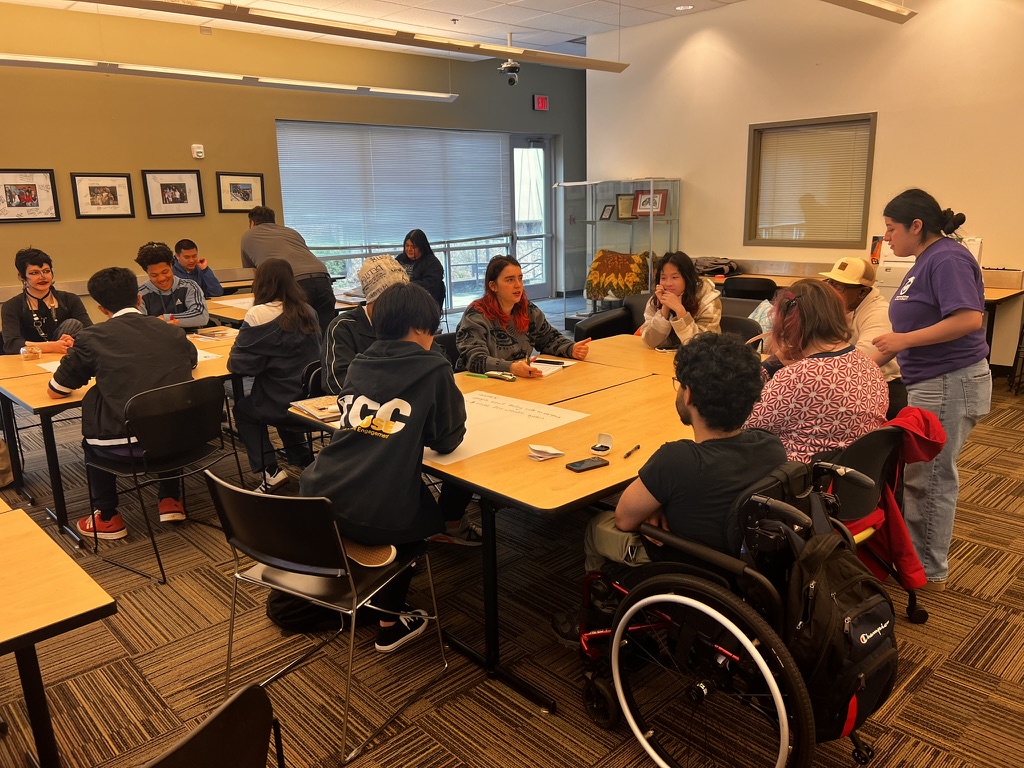
Students also named the emotional impact — feeling overwhelmed, uncertain, and at times powerless.
At the same time, they began identifying solutions. These included creating clearer notification systems, marking public and non-public spaces on campus, strengthening communication, and building support networks where students can share information and look out for one another.
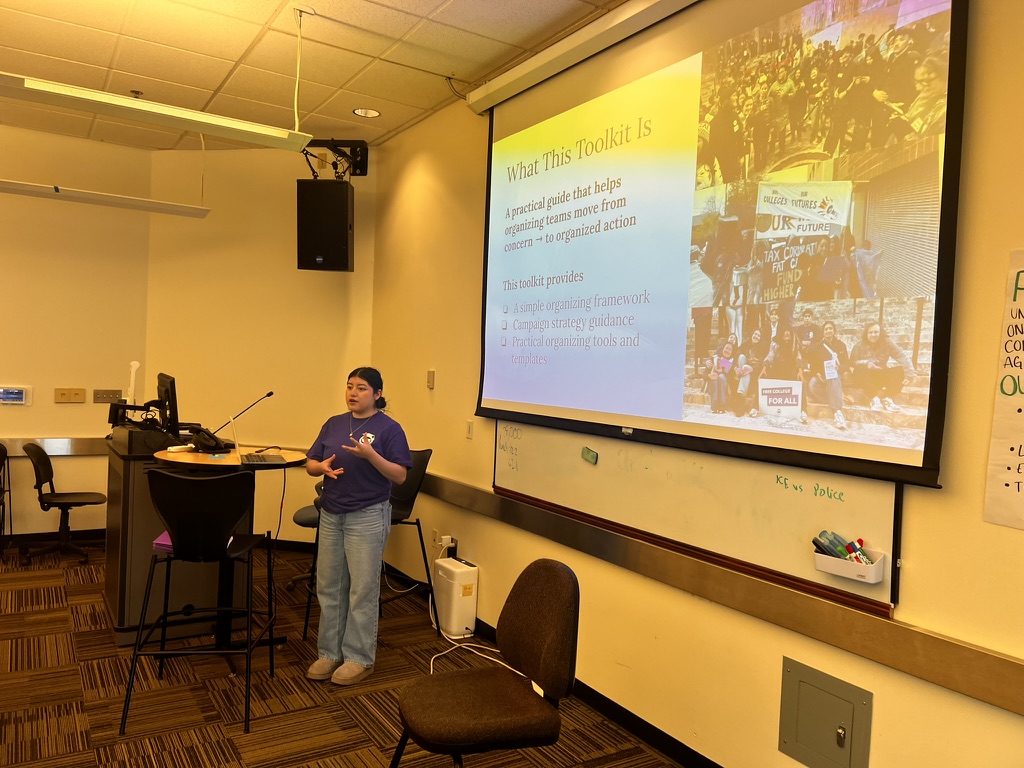
The training didn’t end with discussion. Students committed to continuing the work, with plans to meet again in the coming weeks to focus on team building and power mapping — key steps in building long-term organizing efforts.
This is what organizing looks like: turning concern into strategy, and strategy into action.
Spokane: Expanding Student Leadership and Community Partnerships
In Spokane Valley, C4C continued to expand its presence through outreach, partnerships, and student engagement — connecting with approximately 60 students across campuses and the broader community.
At Spokane Community College, we visited classrooms to share information about C4C and invite students into our organizing efforts, focusing on students navigating systemic barriers and providing tools for self-advocacy. We also met with the Office of Diversity, Equity, and Inclusion to begin planning future work to support parenting students.
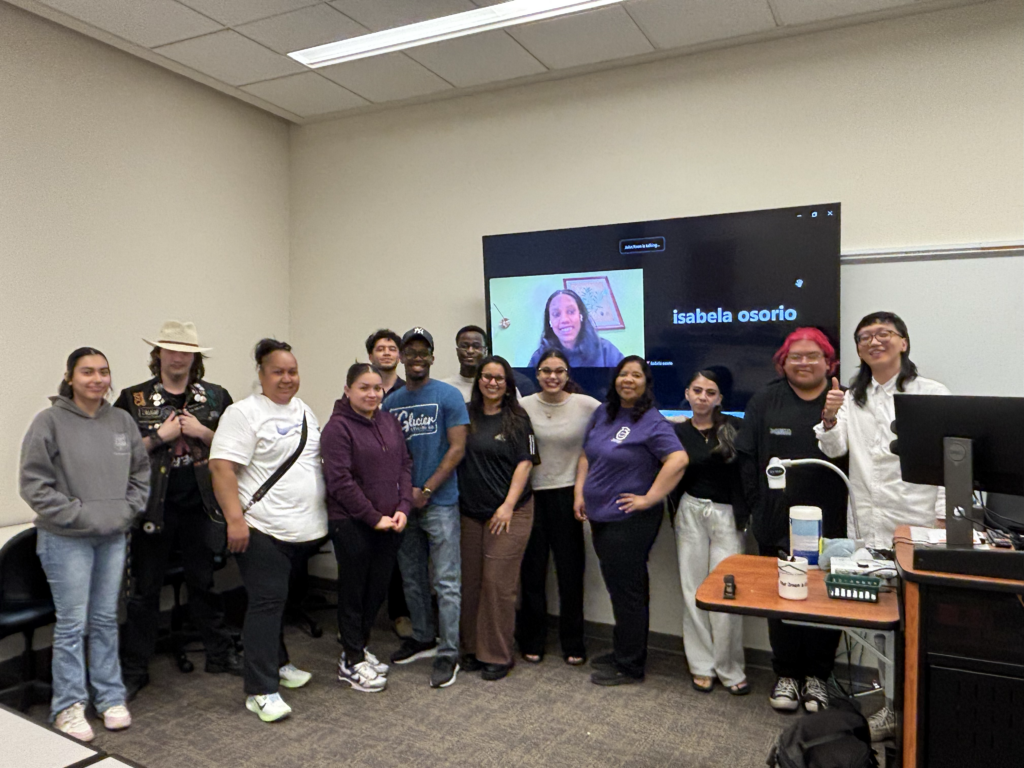
At Spokane Falls Community College, we hosted a resource table to connect with students and support civic engagement, including voter registration. We also met with the Latin American Student Organization (LASO), where students shared their experiences and explored opportunities to deepen leadership and involvement.
Beyond campus, we strengthened partnerships with organizations like the Association of Washington Student Leaders (AWSL) and supported efforts to build early student leadership through a C4C group at East Valley High School.
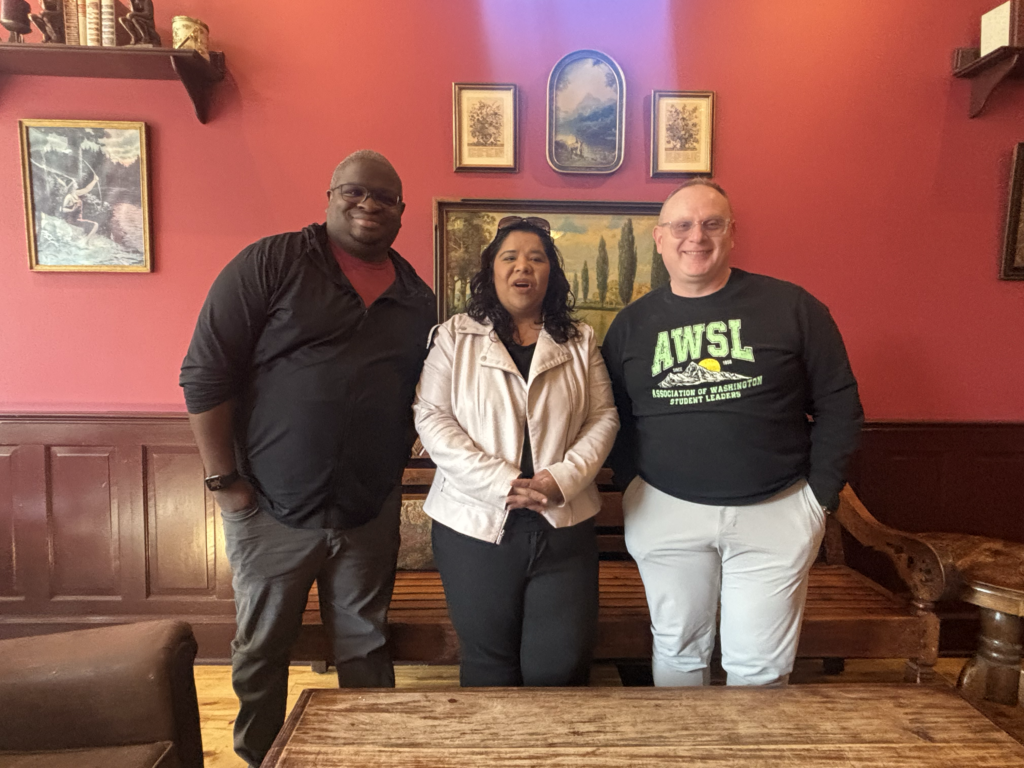
This work is about building a truly statewide movement — one that connects students across regions and ensures that leadership is rooted in the communities most impacted by higher education policy.
Building Power Across Washington
From Seattle to Tacoma to Spokane, these efforts are connected.
Whether mobilizing families to protect parenting education programs, organizing students to build safer campuses, or expanding student leadership and partnerships, the goal is the same: to build power so students and communities can shape the future of our colleges.
This work is ongoing. It is collective. And it is growing.
Together, we are not just responding to challenges — we are building the power needed to transform higher education in Washington State.